| Lalhruaitluangi | July 2026 | Non fiction Essay|
The first time I truly saw it, I was on my way to work, caught in the slow crawl of traffic. A woman pulled up beside me on a scooter, a baby tied gently to her back, fast asleep. From the front hung a large bag, perhaps groceries or something equally mundane and equally important. It was not the first time I had seen a woman riding with a child like this. In Aizawl, such sights are common. I had passed women like her hundreds of times before without a second glance.
But that morning, something shifted within me.
I did not merely see the woman.
I saw the burden she carried.
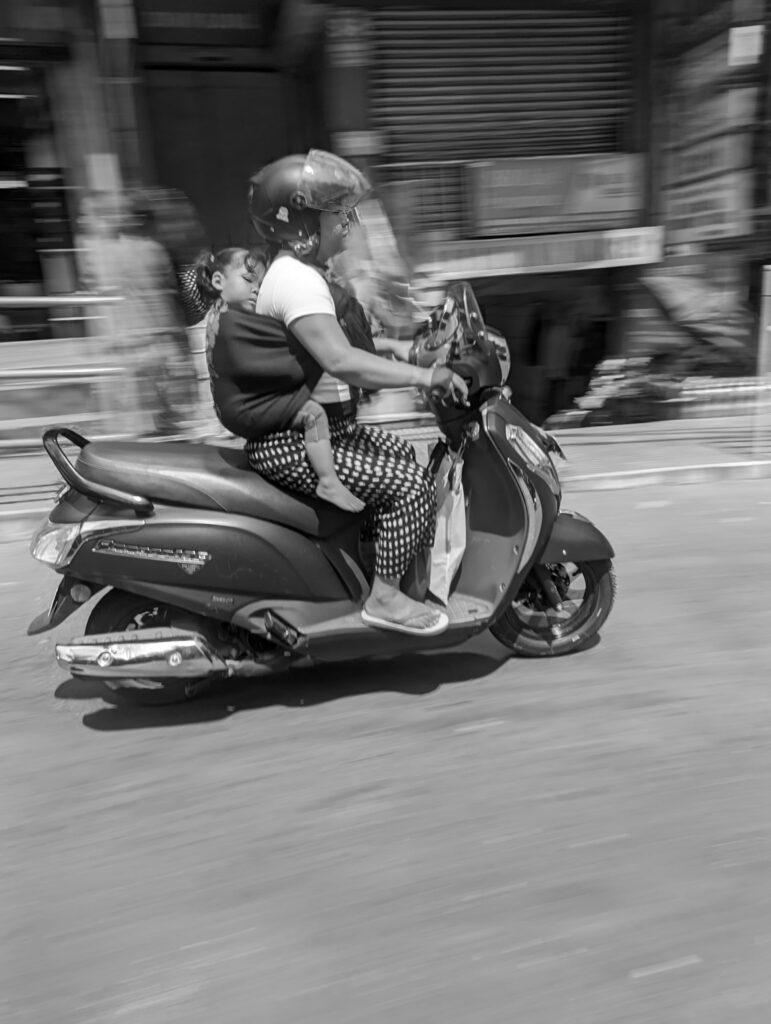
Not just the sleeping child, but the weight of everything that travelled with her. The groceries swaying from the hook beneath the handlebars, the errands yet to be run, the dinner still to be cooked, the uniforms waiting to be washed, the medicines that might need buying, and the vast, invisible ledger of household duties that so often resides only in a woman’s mind.
As she disappeared into the traffic, an uneasy question took root in my heart. How much invisible work would that mother carry out, day after day, without a word of appreciation?
Had this been a decade earlier, I would never have asked such a question, nor taken the time to truly see her.
For most of my life, I did not think of myself as a feminist, which, in hindsight, is remarkable considering I spent seven years immersed in the study of Literature. Almost a decade in academia, surrounded by books that interrogated power, gender, and society, and somehow I emerged scot-free.
Looking back, I can think of only one explanation. I never realised how privileged I was.
Because if you’re a woman and genuinely believe feminism is unnecessary, chances are you’re living in a bubble so well insulated that patriarchal biases have never had the chance to seep through.
I grew up with three brothers in a home that never made me feel I was worth less because I was a girl. My mother worked. My father was not merely present; he took a primary role in parenting. I was never made to feel that I should have smaller dreams than my brothers. If anything, I sometimes felt I enjoyed a slight advantage. I was expected to build my own status, and marriage was never presented as a promotion.
Needless to say, equality was not something my parents preached. It was simply the atmosphere of our home.
So when people spoke about feminism, I struggled to understand the urgency. Not because I had carefully examined feminism and found it flawed, but because I simply mistook my own experience for the world’s. Women had it good, didn’t we? We studied. We worked. We earned. We spoke our minds. We were respected at home. We could become whatever men could become.
So why were feminists always complaining?
I viewed feminism as a movement that had outlived its purpose. Feminists, in my admittedly shallow imagination, were misandrists, perpetually offended, vapid singletons searching for problems where there were none. It would take many years before I understood.
Years until I got married.
Marriage opened my eyes to a side of society I had never been exposed to before. People often ask if marriage changes a person. For me, there was no dramatic transformation, only a quiet accumulation of small, ordinary moments that slowly revealed the truth of my existence.
First, I became aware of expectations. More importantly, I became aware of how unevenly they were distributed. People praised my husband for things I did every day, unnoticed. It takes so little, it seems, for a man to be hailed by society. He only needs to do half of what a woman does to be considered a hero.
He does the dishes once in a while? Extraordinary!
He changes a diaper? Father of the Year.
He holds the baby in public? Give him a medal.
He knows what medicines his children are taking? Every woman who has heard this has practically canonised him.
Meanwhile, a wife’s mind is like a house with every light left on, every room demanding her attention. Even while her hands are occupied, another part of her is already elsewhere. As she folds laundry, stirs a pot on the stove, or answers an email at work, she is remembering which child is due for a vaccination, whose uniform still needs ironing before Monday, what is running low in the pantry, which relative’s birthday is approaching, and whose socks have disappeared into the void. Her thoughts are never occupied by a task at hand, they are always anticipating the next, quietly keeping an entire household running. Yet nobody applauds. It is simply expected. Even wives like me, who contribute financially, are not spared.
So I wondered, if my husband earned such praise, how little must other husbands be doing? As I looked further, the truth was alarming. Husbands are often seen as fulfilling their duty merely by existing without glaring vices. Even if absent from childcare, even if contributing nothing at home, even if they let themselves go, there is little judgement, so long as they are not philanderers or alcoholics. But a woman, no matter how much she earns, is branded lazy if she skips household chores, a bad mother if she relies on help with the children, a lousy wife if she fails to put her husband’s needs first, neglectful if she ignores her appearance. I could go on, but the list, as they say, is endless.
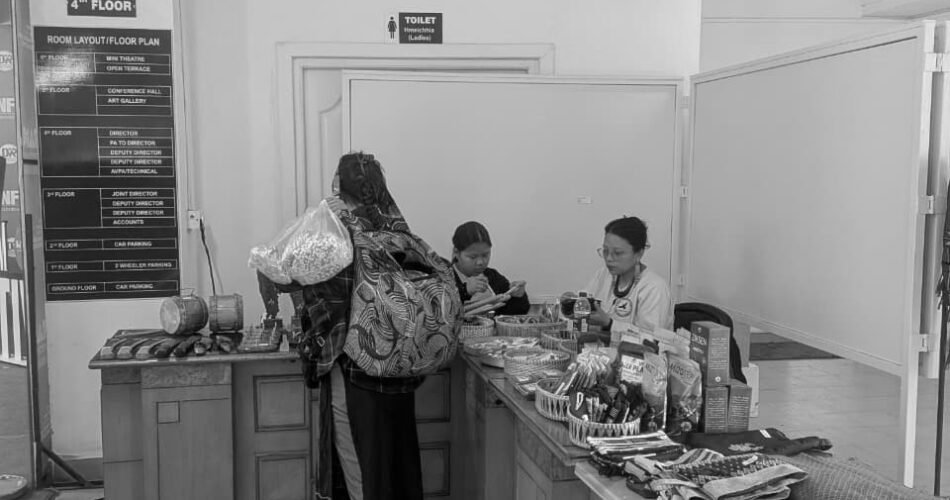
Then, one time, at a film festival, I saw a woman peddler carrying a heavy load as she offered her wares to festival-goers. I thought about her age, the weight she carried, and wondered what had pushed her to walk around selling things instead of staying home.
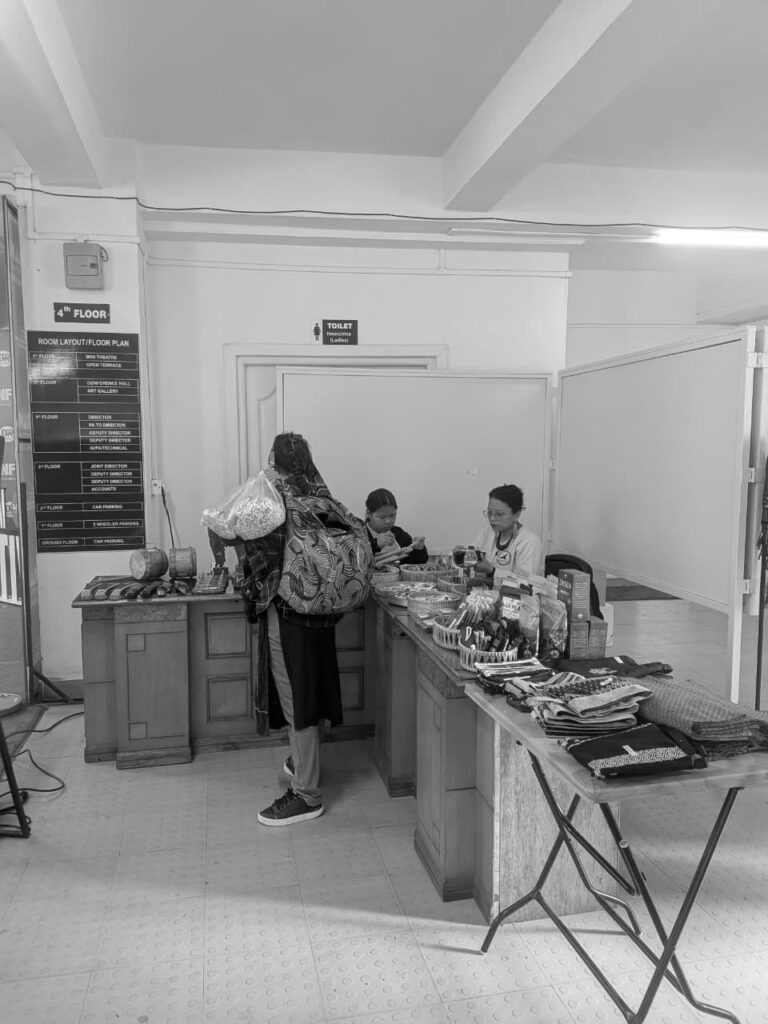
After that, I couldn’t stop noticing women like her. Women in so called “male-dominated fields.” In the markets, on my way to work, on the streets. Women butchers, shopkeepers, mine workers. I started to question how many of those women had chosen those jobs, and how many had simply stepped into them because there was no one else to keep the household afloat.
On social media, I noticed that tourists saw these women too, but in a romanticised way, as tourists tend to do. They are projected as symbols of Mizoram’s women empowerment. Though flattering, and certainly good for tourism publicity, I don’t think I am the only one who cringes inwardly at this view, which is positive only because it is shallow. It is a dire reality coated as an achievement. It is apparent to me now that many of these women are stepping into these roles out of necessity. I suppose necessity has always been a far greater feminist than ideology.
Then I began hearing things that had perhaps never registered with me before. My single friends and cousins, accomplished, beautiful women, were routinely told to lower their standards if they ever hoped to get married. Yet I often heard my single male friends encouraged to have the courage to punch above their weight. Never once did I hear anyone urge them to rise to the level of these accomplished women. The burden of compromise, it seemed, always tilted one way.
I now routinely find myself getting into online arguments with misogynists. Some keyboard warriors brand women as traitors for marrying “outsiders,” warning of cultural erasure, and I push back with questions: Have you ever done even a day’s worth of self-reflection as to why these women are making different choices? Where is the accountability? Why is there no equal discussion about why the number of marriageable men is decreasing by the day?
The sad truth is, I see obituaries every day of men dying young, which I have morbidly collected as part of my own personal research because it alarms me.
About the keyboard warriors, I suppose it’s easier to accuse women of betrayal than to examine the flaws in the system that drive so many men to alcoholism, suicide, preventable illnesses, and fatal accidents.
Speaking with more reasonable men in my circle brought another stark realisation. Many men genuinely believe providing financially is the great sacrifice they make in marriage. One cannot entirely blame them; they were raised with this belief. But is it truly a sacrifice? A man must provide for himself whether married or single. Marriage does not create this duty. Yet this provision somehow grants a lifetime licence to step back from childcare, domestic work, leisure, and emotional presence.
The more I learned, the angrier I became. And I recognised it as the same anger that has long fuelled feminists before me. Mine is a quiet rage that comes from finally seeing what has always been there, the casual injustices so deeply woven into everyday life that many of us mistake them for normal. What saddens me most is that so many women don’t even recognise the unfairness. We internalise it so completely that we begin to police ourselves and each other. We quietly accept limitations we would never impose on the men in our lives.
I think of it as the “Guilt of Eve.” That inherited sense that women owe the world an apology merely for existing. We inherit not only Eve’s story but also the burden of redeeming her. The echoes of this story are not merely religious but cultural. The internet, and my algorithms, have revealed to me how universal this is. Across cultures, women have been cast time and again as temptation, distraction, or the weaker moral link. Only then did I truly understand that everything I had studied about feminism was well founded.
An unapologetic woman becomes a rebel because she rejects this inherited script. And she is often unapologetic only if she can afford independence. I know that for some women, silence is not consent but survival. It is difficult to challenge a system when your livelihood, your safety, or your place in the family depends on compliance. I have realised that feminism has never simply been about changing laws or winning rights. It is also about giving women the freedom, and the means, to say “no,” and to exist without apology.
Memory has a curious way of choosing its turning points. I always return to that woman on a scooter carrying far more than a sleeping child. A mother simply trying to get through another ordinary day. Perhaps she has forgotten that morning entirely.
But I have not.
Now, whenever I hear a woman being praised for working herself to the bone, I know she has been conditioned to equate goodness with self-erasure. And every time I see a “pick-me” putting women down, I immediately know it comes from a place of privilege. I was once like her. And for that, I owe feminists an apology. To the women who spoke long before I was ready to listen. They were never inventing problems. I simply hadn’t lived long enough, or looked closely enough, to see them.
_________________________
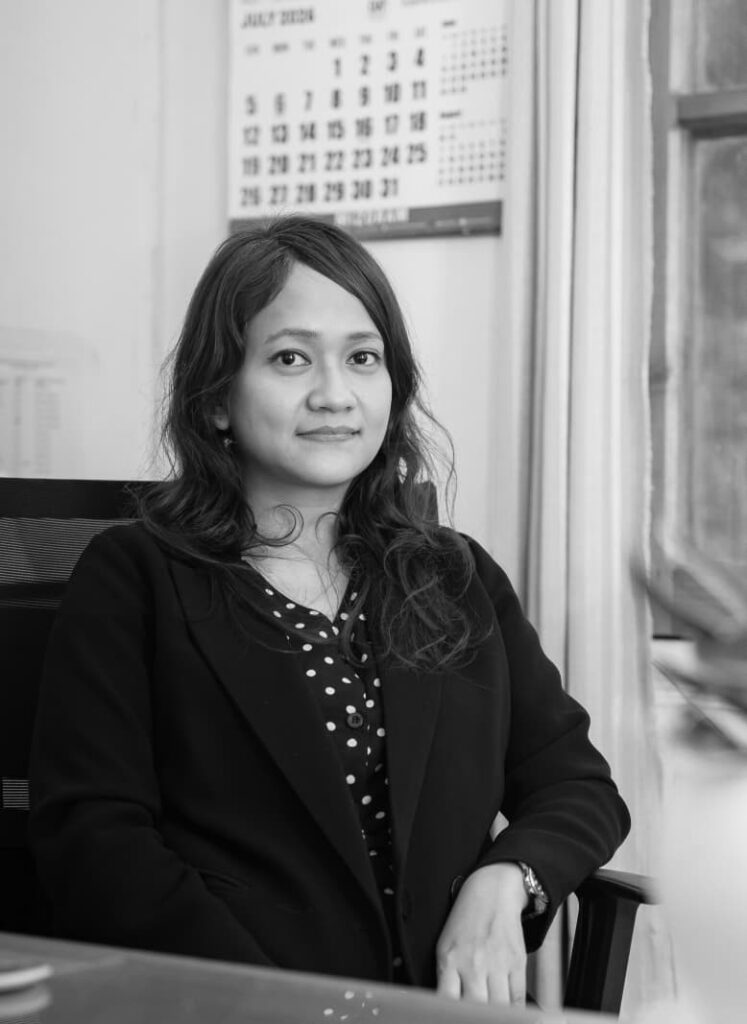
Lalhruaitluangi works a full-time desk job, raises two children, and dabbles in writing whenever she can find a spare moment between the two. She mostly explores the quiet dramas of ordinary life, and so far shares her work only on her personal Instagram account. She treasures the occasional stolen hour in a café with a good book and considers uninterrupted reading one of life’s quiet luxuries.
_________________________
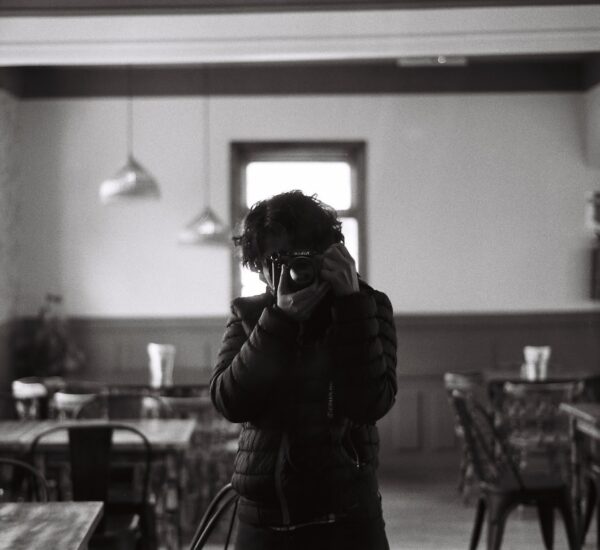
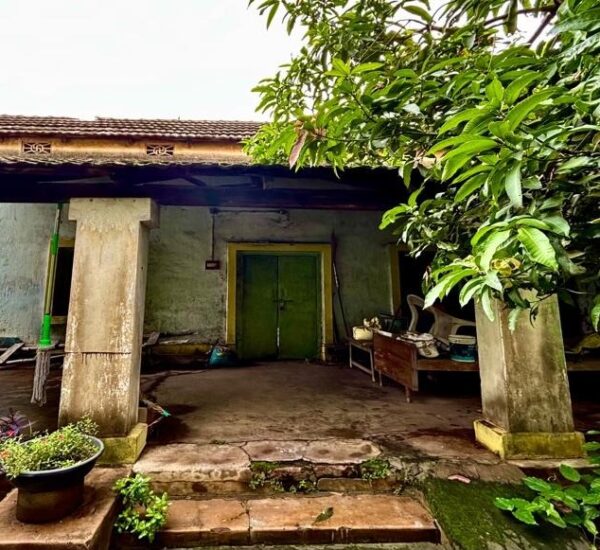
All photos by Lalhruaitluangi
Find MeanPepperVine on Instagram @MeanPepperVine

Poignant and deeply moving, Hruaitluangi’s words speak directly to the heart of every Mizo woman ❤️