| Anasuya Ray | July 2026 | Photo Essay |
I had thought of writing a goodbye letter to Kolkata, my birth city. But today it is Raghu Rai who has taken up residence inside my head and heart, and so this goes elsewhere.
The early days of motherhood threw me into a swing boat of extremes — overwhelming surges of love on one side, a gnawing pull towards darkness and isolation on the other. I know it clinically: Postpartum Depression, PPD. But knowing does not help. I experienced extreme dips in my being, and being acutely aware of those dips consumed me completely as I struggled to hold my balance. Most days I was left tottering. After work I would tuck my baby into the carrier, collect him from school, and find a park bench — sitting, watching the world drift past, trying to catch the brief, tingling burst of a soap bubble: love, warmth, sunshine, biting cold, melancholy. I would take it all.
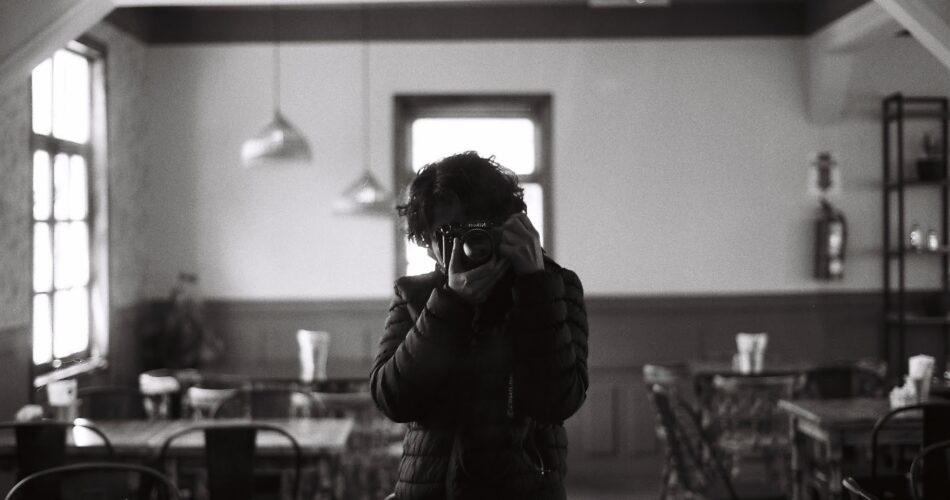
It was during those long, slow hours that I first understood what my mind was doing with what my eyes fed it. I was processing everything — the particular slant of afternoon light, the way strangers moved, the child chasing pigeons, the old man reading. But my soul wanted my hands to work as well. So I started taking photographs. It did not feel satisfying. I would take a picture and immediately reach for the next, and the next, as though speed could replace depth. It was like going faster in that same swing boat — and it left me more unsteady than before.
In those lonely stretches I found myself thinking of Vivian Maier: how she had moved through everyday New York with her Rolleiflex pressed to her chest, quietly documenting a city while working as a nanny for children who would later become her guardians. I thought of those 100,000 undeveloped reels left in storage boxes — unseen, unclaimed, extraordinary. What was she searching for? What did she feel each time she pressed the shutter? I wanted to understand. And so I decided to pick up a camera and find out for myself.
I have had the good fortune of many teachers in life, and I did not have to look far for where to begin. Don was among the first. A septuagenarian who taught me to slow down, to take notes, to resist the impulse to raise the camera before I had truly seen. We met in an old shed on the outskirts of Boulder, in a cluster of workshops occupied by artists who could not afford the steep rents that come with the natural beauty of the Rocky Mountains. Such is the quiet irony of the human condition: poets, painters, and photographers cast to the margins of the very landscapes they teach us to see — their work handed back to us as meaning, as beauty, as the only language we have left for wonder.
In those days, I was absorbed in the tactile rituals of the darkroom: the rustle of Ilford paper, the cool weight of a reel, the particular intoxication of chemical smells that cling to memory long after the photographs are done. The first time Don developed a contact sheet from one of my reels and laid it before me, I was overwhelmed — the way one is by a first loaf of bread pulled warm from the oven: simple, improbable, profound. He was a strict teacher, and through his strictness he gave me more than technique. He gave me patience. I realise now, writing this, how much I miss him.
But Don was a catalyst, not a conclusion. There were other teachers waiting — ones I would never meet in person but whose eyes I would borrow again and again: Annie Leibovitz, Fan Ho, Vivian Maier, Satyajit Ray, Sebastião Salgado, Ansel Adams, Sally Mann, and Raghu Rai. They showed me what they saw. I looked through their lenses, and when I finally pressed my own eye to a viewfinder, the world looked back like a friend.
Today I want to say goodbye to the camera that shaped whatever small understanding of composition I managed to gather and then let go.
It was not even mine. It belonged to a colleague in the United States who, upon hearing of my new obsession and my enrollment in Don’s class, did not offer the camera so much as insist upon it — firmly refusing to let me spend a single dollar of my own. It was a Nikon F100. It became my companion, my education, my love.
For five years the F100 went everywhere with me — through airports across continents, past security officers who turned it over in their hands, eyebrows raised, half-convinced it concealed something dangerous. Perhaps it did. Nothing deterred me.
It was strapped to my neck through it all, adjusting the light slightly, calculating the reel count in my head — a time of true delight. The biggest trip it took with me was a three-week journey across the southern tip of the world: Argentina and Bolivia.
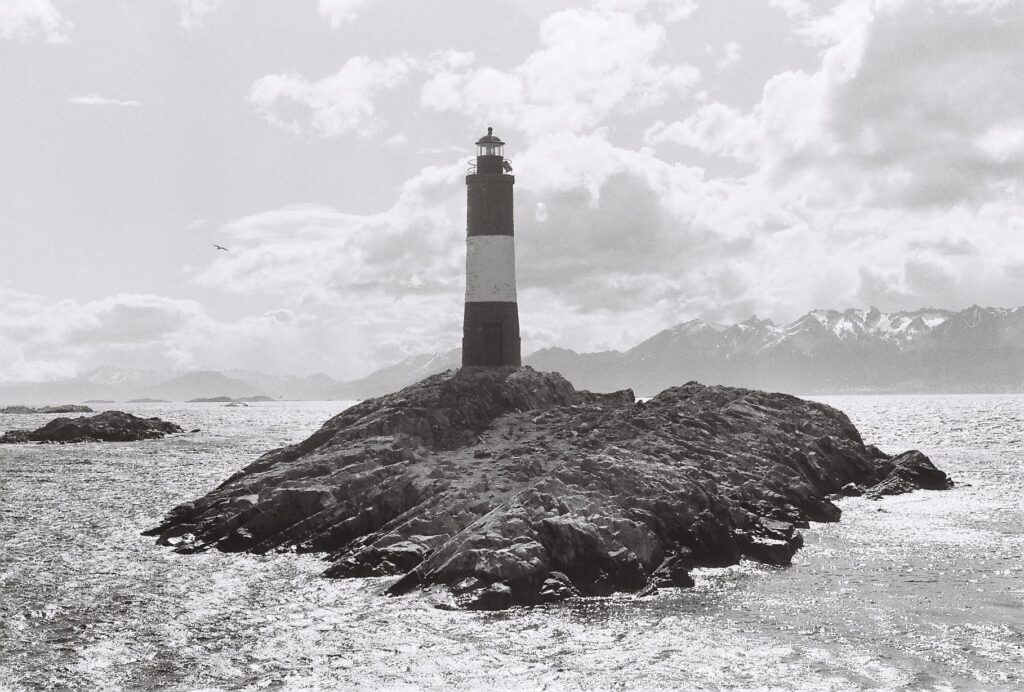
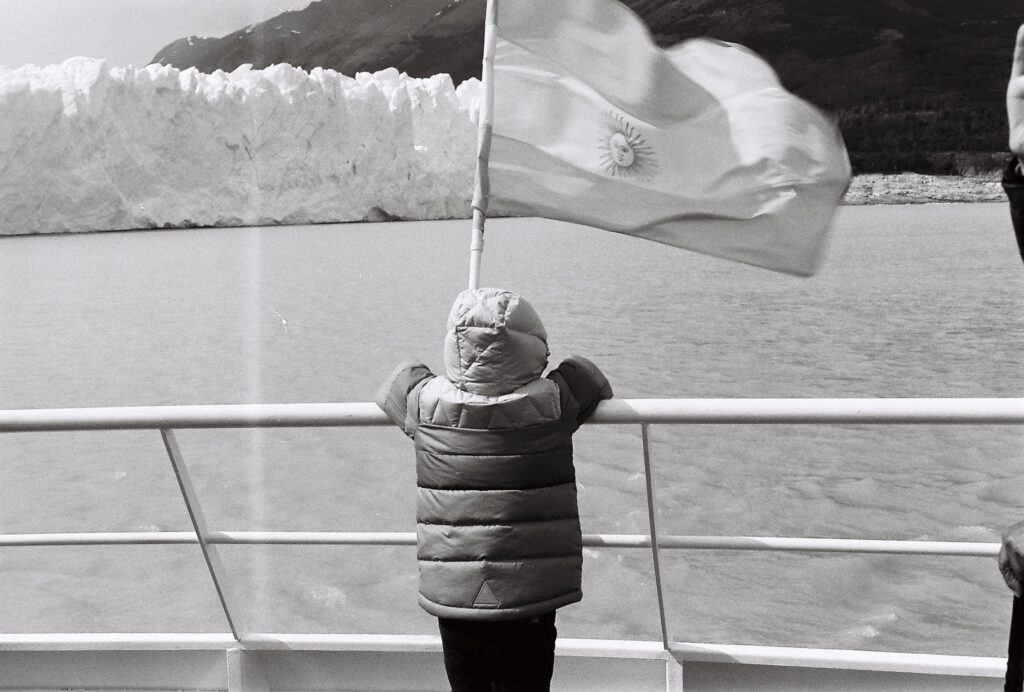
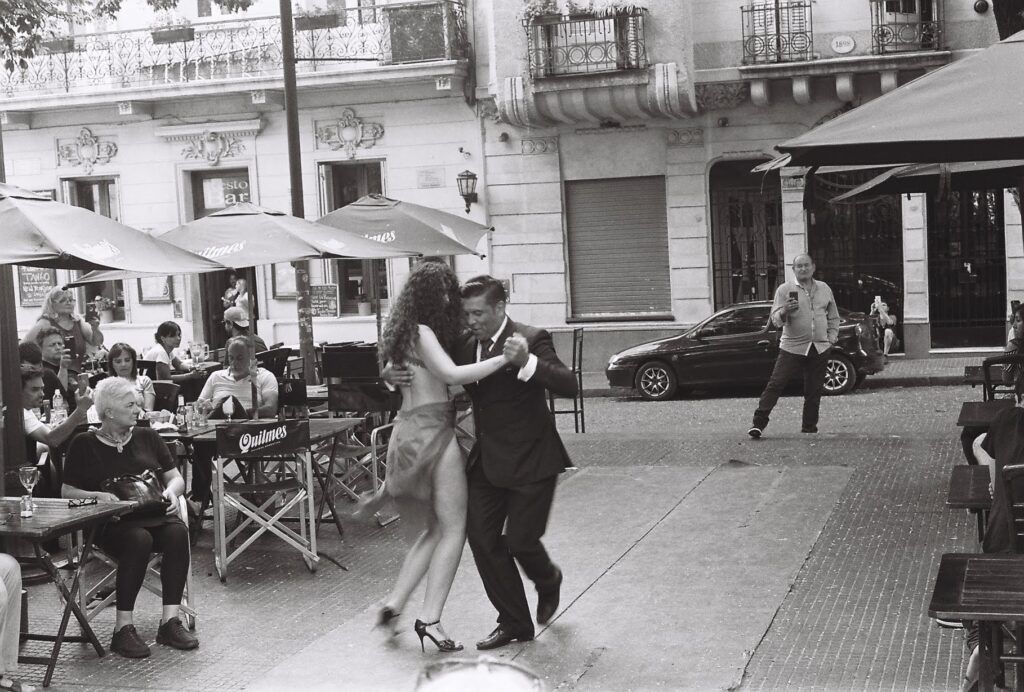
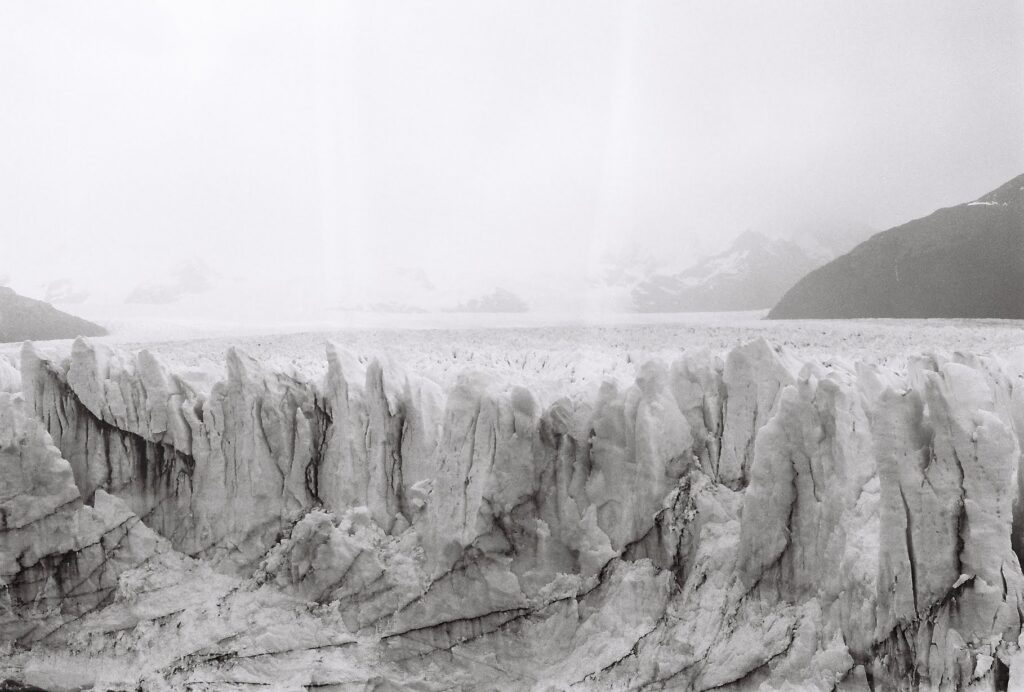
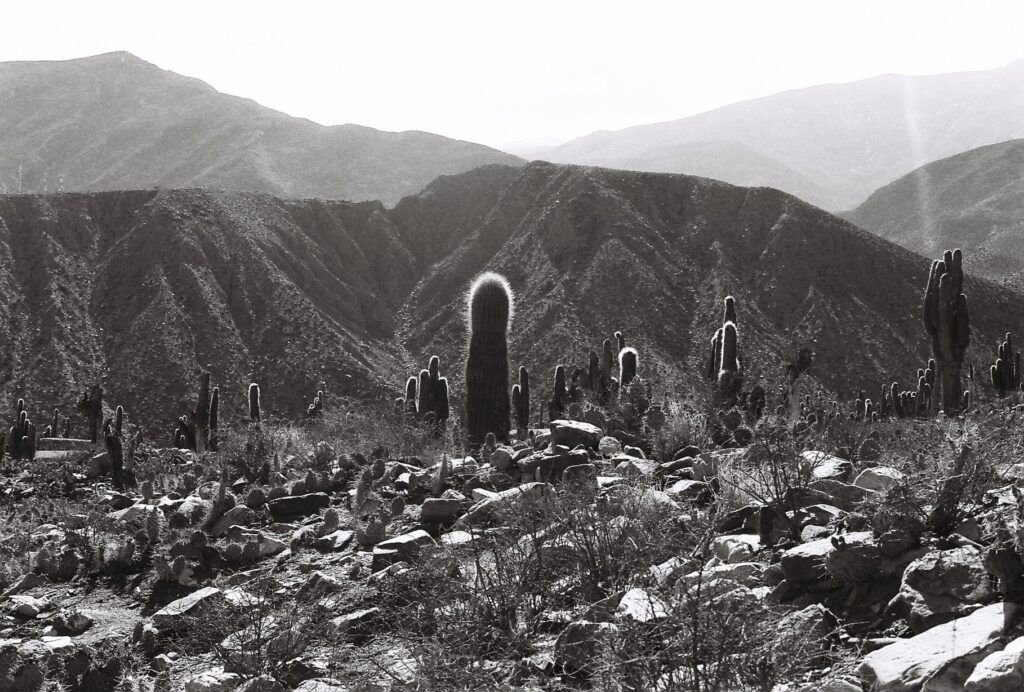
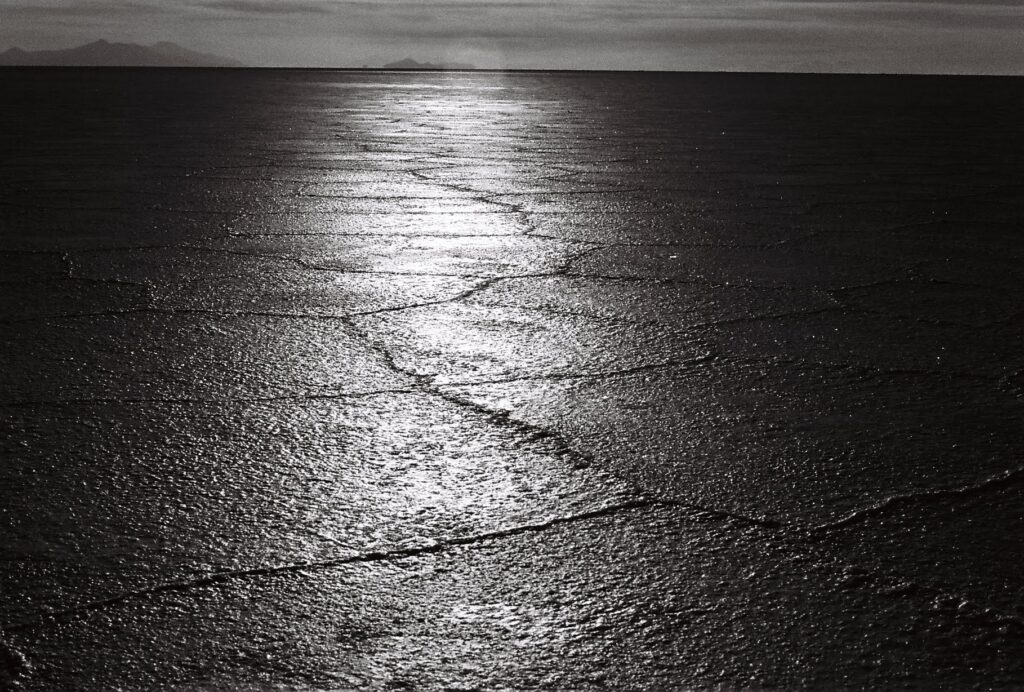
In Argentina, we started at the very tip of where the land of the Earth ends, close to the Beagle Channel. Many moons back, in a bookshop in downtown Denver, I had come across The Genesis, a book of photographs taken by the Brazilian one-of-a-kind photographer Sebastião Salgado, and since then South Georgia Island had been on my mind. And though Ushuaia is nowhere close to the wilderness of South Georgia Island, I had my share of delights. The penguin colonies on Isla Martillo consist mainly of Magellanic and Gentoo species. They were my first captures of the trip before the majestic Perito Moreno Glacier opened up its arms and showed me through my viewfinder how nature continuously creates and destroys in the same breath, as if the whole world is its Mandala. We kept travelling across the land to the north and crossed over to Bolivia. The largest salt pan in the world left us mesmerized, bewildered, and everything in between — a sky above your head and a mirror of it below your feet.
That trip — me, my camera, and a bag of reels protected through every security check in dark bags — made for the best travelogue yet.
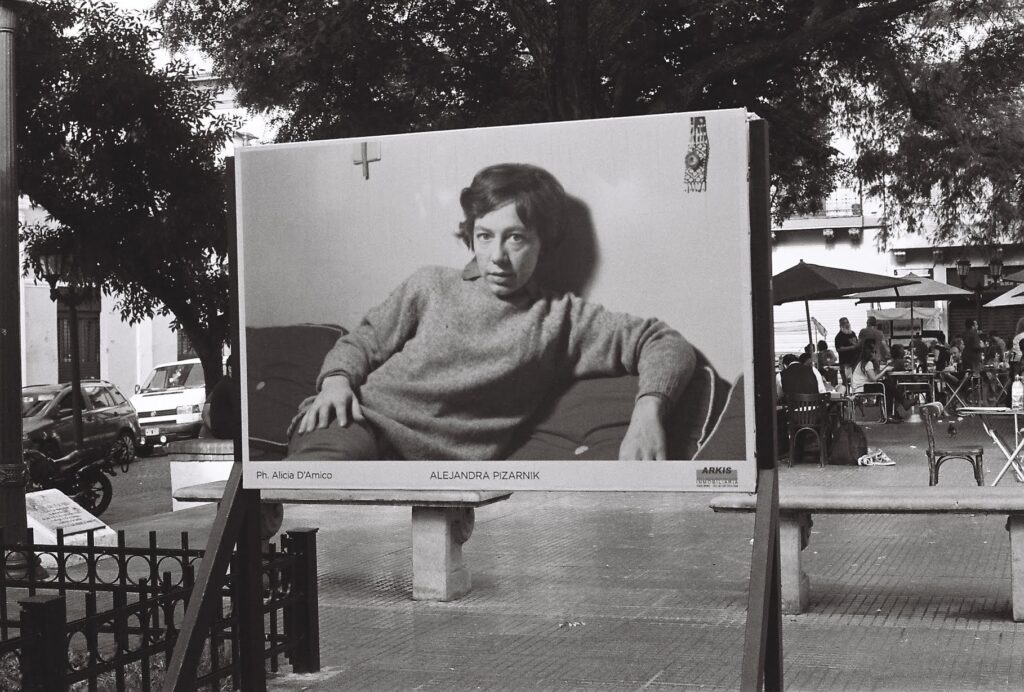
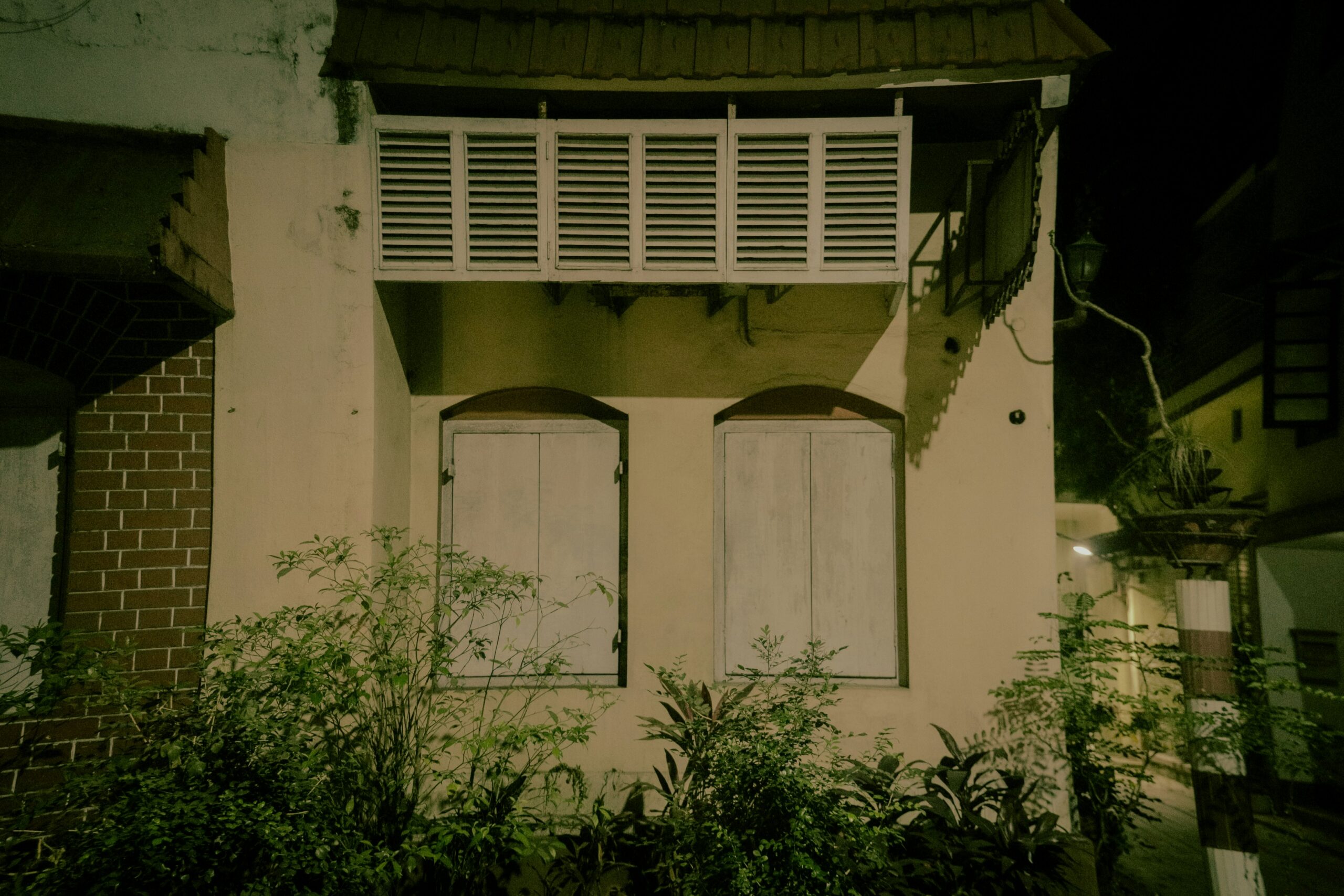
The photographs I am sharing here are a handful from that trip. That is what the camera gave me: the ability to be present inside a moment without disturbing it.
I said goodbye to her when I left the United States, returning the camera to my colleague as it had always been meant to be returned — with gratitude, and with the particular grief of giving back something that has changed you.
One day, perhaps, I will pick up another camera. Not yet. But perhaps.
_________________________
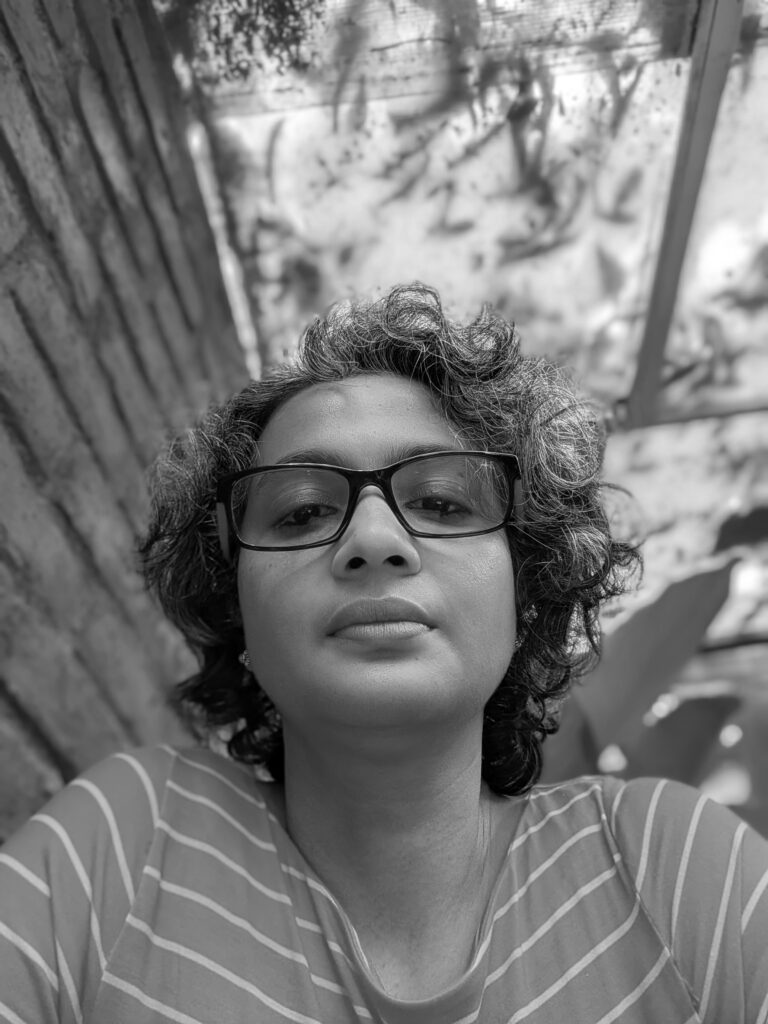
Anasuya Ray is a Bangalore-based writer rediscovering the joy of writing. Rooted in childhood Bangla rhymes and renewed through a Himalayan Writing Retreat workshop, she now writes daily, gathering and sharing her words on flakehub.org.
_________________________
All photos by Anasuya Ray
Find MeanPepperVine on Instagram @MeanPepperVine
What a lovely piece.
Oh Padmini, thank you so much for your kindness and the read.