| Anjali A. | July 2026 | Non-Fiction Essay |
The children are still at their homework. Something is on the stove, on a low flame. The laundry can wait another ten minutes. I step onto the balcony and sit down — not with any intention, just because my body needs to stop moving for a moment.
I don’t switch on the light.
I let my eyes adjust. The darkness is not uncomfortable. It is, in fact, the first unhurried thing I have encountered all day. The edges of things start to soften. I notice my own breathing, slower than it has been all day. The room doesn’t disappear; it settles. For the first time all day, nothing asks me to respond. The weight of being productive finally slips off my shoulders.
Outside, the day has been loud with roles I keep stepping into, each asking me to move faster- at work, at home. The roles quietly shift but never really end. In the dark, a thought slips in, thin as light. And then, a face.
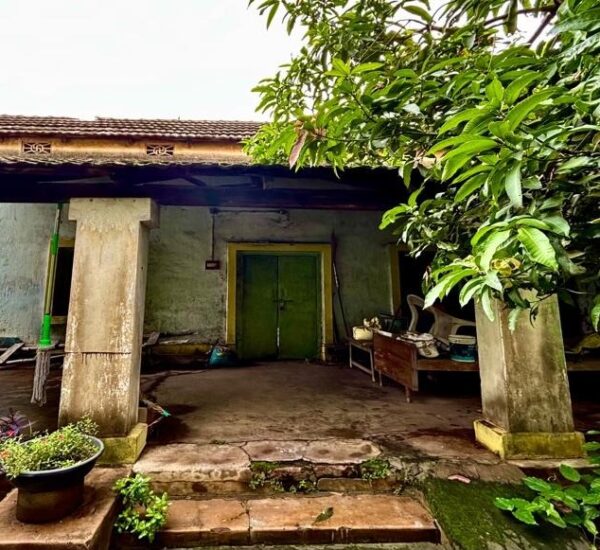
My grandfather sits on the verandah, the newspaper spread open, a hand fan moving in a slow, steady rhythm. The easy chair and the traditional palm leaf hand fan make the evening feel unhurried. The cool air, along with his calm words, pushes away more than just the heat; it pushes away the world. I would drop my bag at the door and slip onto the verandah before my mother could call out. It was as if the day had been waiting for this.
My grandmother steps onto the verandah with a small plate she has kept aside for me. The snack is still warm. It smells of steamed banana leaves, their warmth wrapping the food and infusing it with a deep, earthy flavour. She places it near me and sits down, saying nothing, as if she had been there all along.
The day slowly winds itself down. My grandparents speak of small things—who visited, what needed fixing, how the weather changed its mind by afternoon. In their unhurried world, a change in the wind mattered more than the breaking news. Then they turn to me and listen. I talk about the day spent with friends, a movie we watched, the scenes that made us laugh for no reason at all. Now I realise they weren’t just listening to my stories, they were holding my soul, wrapping me like a banana leaf and letting the flavours of my character gently grow.
Later, we walk into the garden. My grandfather bends over the plants, watering them carefully. My grandmother stands nearby, checking the leaves and touching the soil, making sure nothing is forgotten. They moved with a quiet grace, as if every leaf, every plant was special. I did not know then how those evenings were holding me together.
From there, the memories open into another house—my father’s mother’s place—where cousins gather, and parents fade into the background. We look after ourselves without noticing that we are doing so. The hours stretch. We walk through paddy fields until our feet are muddy and tired. The mud becomes a second skin, and that feels natural. We follow calves just to see where they go. We slip into the pond when the sun gets too heavy. Toys appear from coconut leaves and betel leaves. We become artists without instruction, shaped only by curiosity and play.
Sometimes, we follow our grandmother, her steps unhurried, as if the path already knows her. She moves through the paddy fields with ease, crossing narrow ridges, lifting her sari just enough to keep it from the water. We walk behind, lost in our own thoughts, our fights, our ideas. Near the railway line, she pauses. Trains pass without stopping, leaving the air trembling for a moment. She tells us where to stand, when to cross, when to wait. Even when she walks ahead again, we know where she is. Or we think we do.
My grandmother keeps snacks aside, saved carefully for when the grandchildren arrive. She tells us stories as she works, small incidents that belong to the village and to us. She walks with us, showing us plants, helping us pick fruits, letting us eat straight from the trees. The juice of a stolen mango was the sweetest thing we ever tasted.
On the verandah, we play louder, and our sound echoes back. We run, sing, play, invent rules that change midway as someone starts to lose. Mid-mischief, we check — she isn’t watching. Or so we think. Then comes her voice, “I’m here.” We return to our places without being told. Her voice was the invisible thread that kept us from drifting too far.
By evening, the light fades. Sounds come from places we cannot see. We move closer to one another, pretending to be brave. When something stirs in the dark, we run to her and hold on tight. She holds us close, and the fear loosens its grip.
Later, we sit together outside. Someone begins a song, and the rest of us join in. The day ends in a deep, peaceful sleep.
Years pass. The visits stop. The verandah remains, but the houses feel quiet in a different way. A silence so full it still reaches me.
I now recognise what those days were made of. Nothing dramatic. No wellness retreats, no mindfulness apps, no expert advice. Food was simple and arrived on time. Sleep came easily. They walked, they prayed, they ate together. Evenings belonged to people, not to screens and schedules. There was space to listen, to sit together, to share — not because someone recommended it, but because that was simply how life was lived.
What the world now carefully curates as mindful living, they practised without a name for it.
I did not know then that this was a way of living carefully. They never named these lessons, they lived them. Letting us learn how to stay, how to listen, how to live.
The light comes on in the next room. My children sit with their grandparents, leaning in the way I once leaned in. The context has shifted. There is a screen nearby, the snack comes from a packet, the stories compete with notifications. The invisible thread holds.
Generations will change. The verandahs will look different. The stories will be told in new voices, in new rooms, across new distances. But the hand that reaches, the voice that says “I’m here,” the space that is held open for us to simply be, this does not age. It roots us. It returns us to ourselves. It has always been the quiet strength of who we are.
We do not always know it is happening. That is perhaps the most beautiful thing about it.
My children’s voices drift out from the next room — their grandparents’ voices underneath, steady and unhurried. I get up from the balcony, carrying something I cannot name but will not lose. The chores are the same. The evening is the same. But I am, for now, entirely myself — rooted, held, home.
Outside, the day settles again.
_________________________
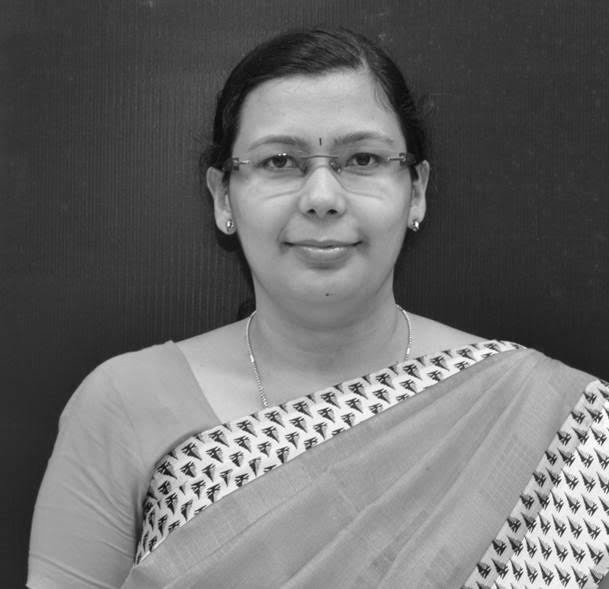
Anjali A. is a writer from Kerala, India. An academic by profession, she finds joy in stories, people, and the small moments that often go unnoticed.
_________________________
Photo by Amaan Abid on Unsplash
Find MeanPepperVine on Instagram @MeanPepperVine